Few travel experiences match the feeling of standing under a sky lit by the Northern Lights. The aurora borealis has drawn visitors to Finnish Lapland for generations, and Rovaniemi sits right in the heart of the action, positioned just below the Arctic Circle with wide-open wilderness surrounding it on all sides. Whether this is your first time chasing the lights or you have tried before without luck, a well-planned northern lights tour from Rovaniemi gives you a genuine shot at witnessing one of nature’s most breathtaking displays.
Planning that first aurora trip, though, takes more than booking a flight and hoping for clear skies. The season, the weather, the clothing, and the company you choose all play a role in whether the night becomes a memory for life or a cold disappointment. This guide walks through everything worth knowing before you go.
The best time to chase the aurora in Rovaniemi
The aurora season in Rovaniemi runs from August 21st through April 21st, which is the window when nights are dark enough for the lights to be visible. That said, not all months within this window are equal. The period from late September through March tends to offer the best combination of long, dark nights and statistically clearer skies, making it the sweet spot for most first-time visitors.
Solar activity follows an 11-year cycle, and 2026 sits in a particularly active phase, which means geomagnetic conditions are favorable for strong aurora displays. Clear skies are the other half of the equation, and Lapland’s inland location away from coastal moisture gives it an advantage over many other aurora destinations. Patience matters too. Even in ideal months, the lights can be elusive for a night or two before putting on a spectacular show.
What a guided northern lights tour actually involves
A guided aurora tour is quite different from simply stepping outside and looking up. Guides with genuine local knowledge track real-time forecasts, monitor cloud cover patterns, and drive to locations away from light pollution where the sky opens up fully. The difference between a good guide and a great one often comes down to how well they read the landscape and the weather in the moment.
At Lapland Welcome, we keep groups small deliberately. A smaller group means the guide can adapt the route based on conditions, stop when something remarkable happens, and give everyone space to absorb the experience quietly rather than jostling for position. Tours typically last several hours and often include a warm fire, hot drinks, and time to simply sit in the Arctic silence while waiting for the sky to perform. The northern lights tours we offer are designed around exactly this kind of unhurried, immersive experience.
How to dress and prepare for a night in the Arctic
Cold is the most underestimated challenge of an aurora tour. Temperatures in Rovaniemi regularly drop below minus 20 degrees Celsius in winter, and standing still outdoors for extended periods makes the cold feel far more intense than it does when you are moving. Layering is the foundation of staying comfortable.
The layering system that works
Start with a moisture-wicking thermal base layer, add an insulating mid-layer such as a fleece or down jacket, and finish with a windproof and waterproof outer shell. Feet deserve equal attention: wool socks inside insulated winter boots rated for extreme cold make a significant difference. Hands and face are the first places the cold bites, so thermal gloves or mittens and a balaclava or neck gaiter are worth packing even if they feel excessive at home.
Many tour operators in the area, including us, provide thermal overalls and boots as part of the experience, so always check in advance what is included. Arriving prepared regardless is still the smarter approach. A fully charged phone matters too, since batteries drain fast in the cold, and you will want it for photographs.
Common mistakes that ruin a northern lights trip
The biggest mistake most first-time visitors make is booking only one or two nights and expecting the lights to appear on demand. The aurora is a natural phenomenon, not a scheduled performance. Building in at least three to five nights significantly improves the odds of catching a clear, active display.
Staying in the city center is another common misstep. Light pollution from Rovaniemi itself washes out fainter auroras, which means a display that would look stunning in the wilderness can be barely visible from a hotel window. Choosing a guided tour that drives out into dark territory is essential. Checking aurora forecasts obsessively and then going to bed early out of frustration is also a pattern worth avoiding. The lights are most active around midnight and can appear without warning after a quiet evening.
Combining your aurora tour with other Lapland experiences
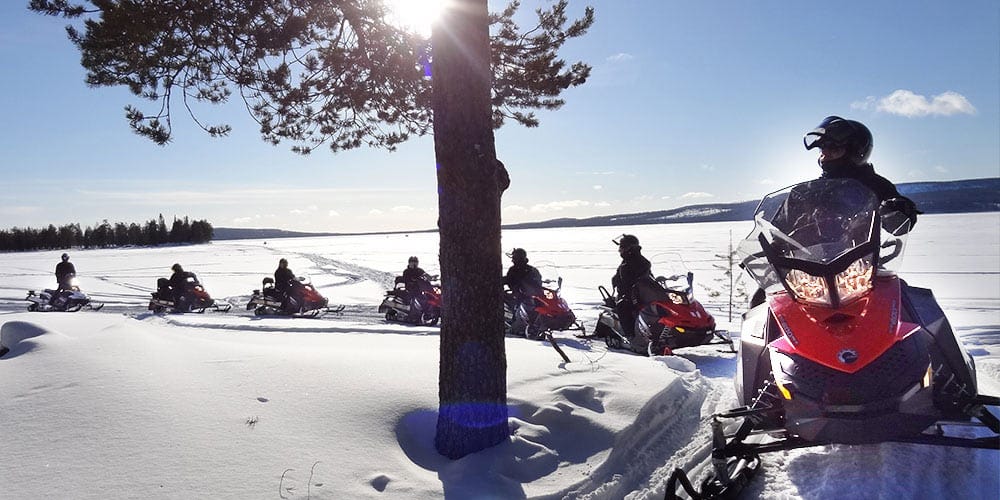
A northern lights tour works beautifully as the centerpiece of a broader Lapland itinerary. The days surrounding an evening aurora hunt are ideal for snowmobile rides through pine forests, husky sled trips, or reindeer safaris that connect visitors with the traditional culture of the region. These daytime activities keep the energy high even on nights when cloud cover moves in and the lights stay hidden.
For visitors arriving in the shoulder season around late August or early September, the northern lights in autumn offer a different kind of magic: the forest still holds some color, temperatures are milder, and the aurora season is just beginning. Combining an autumn aurora experience with a Moose Spotting Safari gives a trip genuine variety, mixing wildlife encounters in the golden evening light with the anticipation of the first dark nights of the season. Lapland rewards those who give it time, and the more nights spent in the wilderness, the more the landscape reveals.
Choose your Northern Lights tour from Rovaniemi
Compare classic aurora hunts, small-group photography tours and private options, then check availability for your travel dates.